In 2024, Ecollant collected 14 tonnes of post-consumer textiles containing polyamide through a network of more than 60 collection points, with the support and commitment of numerous partners. This milestone highlights the essential role of textile collection and sorting in developing an industrial polyamide recycling value chain.
2026 update: Ecollant became REC at the end of 2025. Collecting textiles containing polyamide remains a key part of our secondary raw material sourcing strategy and industrial development.
14 tons collected in 2024: a new milestone in textile collection
In 2024, Ecollant reached a new milestone in the development of its collection network, with 14 tonnes of post-consumer textiles collected. These end-of-life textiles represent an essential feedstock for our polyamide recycling project. Behind these 14 tonnes are numerous citizens, companies, employees and partners who chose to give their end-of-life textiles a new purpose.
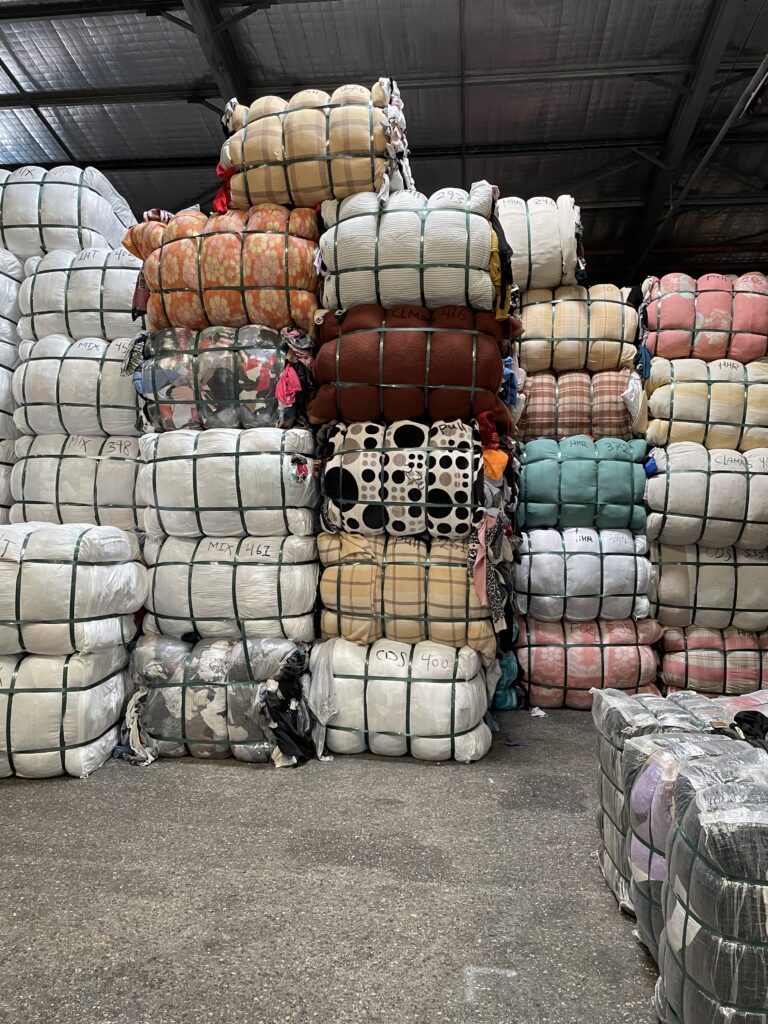
This mobilisation is helping us progressively build material streams containing polyamide, which are essential to the development and scale-up of our recycling technology. For an industrial DeepTech company, having a high-performance technology is not enough. We also need access to sufficient, consistent and well-characterised feedstock to supply the industrial process.
Why is textile collection essential to polyamide recycling?
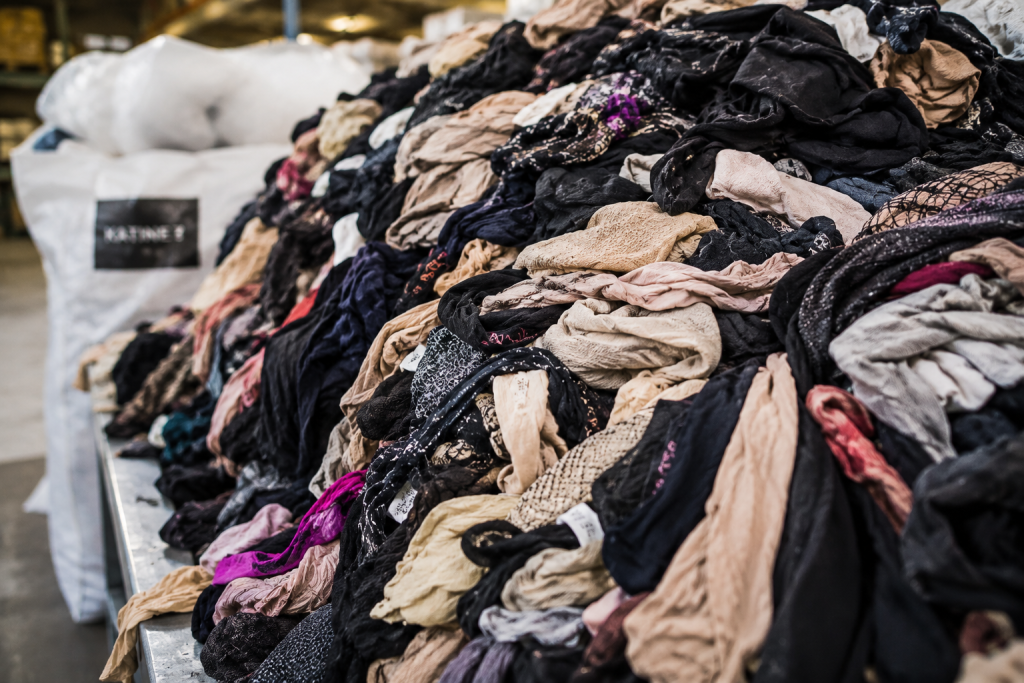
Recycling begins well before textiles enter an industrial facility. The first step is to identify and collect products likely to contain the materials we are looking for. For REC, this includes textiles containing polyamide, such as:
- tights;
- stockings;
- socks;
- lingerie;
- sportswear;
- technical textiles;
- other complex textiles and materials containing polyamide.
Some of these products combine several fibres, particularly polyamide and elastane. They therefore represent particularly interesting feedstocks for developing recycling solutions adapted to complex textiles.
Discover the textiles containing polyamide that REC collects
A network of more than 60 collection points
In 2024, our network included more than 60 active collection points. This network made it easier for individuals and companies to contribute to the collection of end-of-life textiles. Expanding the number of collection points addresses a simple challenge: bringing collection solutions closer to textile holders.
But developing a collection network involves more than simply setting up drop-off points. The materials must also be collected, consolidated, characterised and directed towards the appropriate recovery channels. Collection is therefore the first link in a broader logistics chain.
From textile collection to sorting: preparing materials for recycling
Once collected, textiles must be identified and sorted. This step is essential to determine their composition and recovery potential. For REC, this includes identifying textiles containing polyamide and preparing them according to the requirements of our process.
The quality of the incoming feedstock directly affects the quality and performance of the recycling process. This is why relationships with collection and sorting operators are essential to developing an industrial value chain.
Pre-consumer and post-consumer: two sources of polyamide
The 14 tonnes collected in 2024 consisted of post-consumer textiles, meaning products that had already been used by consumers. However, these are not the only feedstocks studied by REC. Pre-consumer textiles also represent a potential source of material.
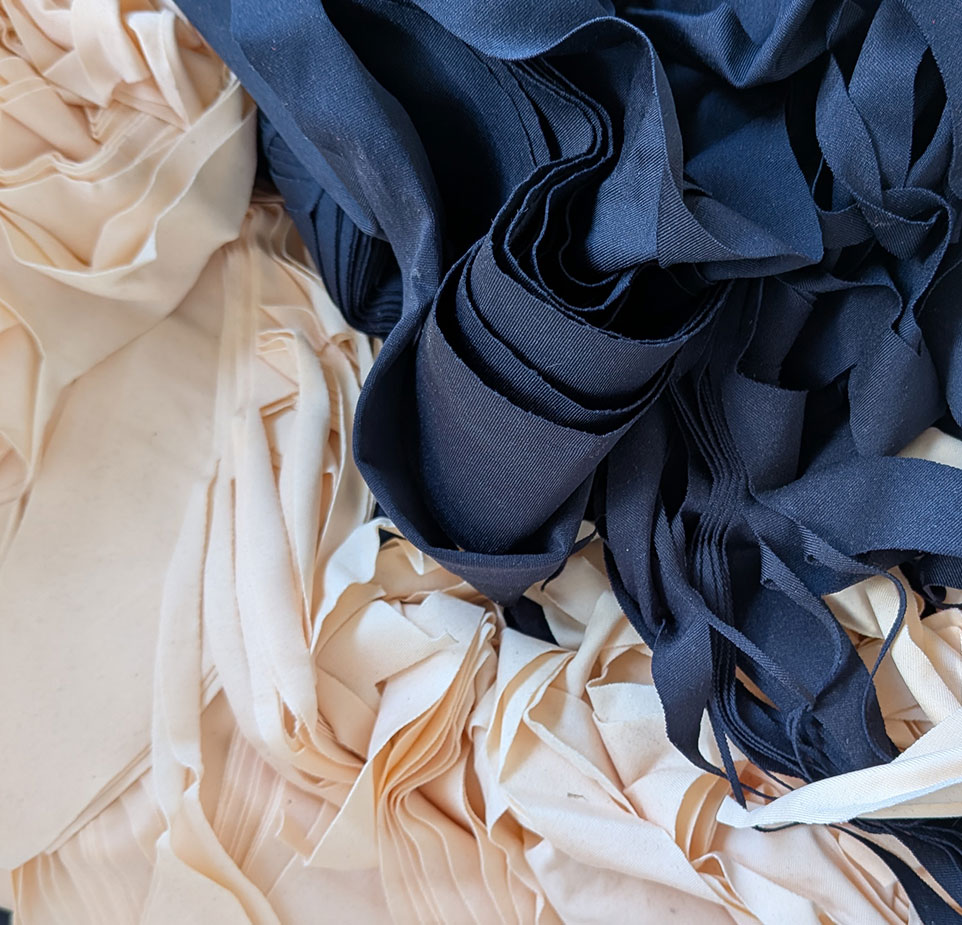
These may include:
- production offcuts;
- end-of-roll materials;
- manufacturing defects;
- surplus production;
- dormant stocks;
- other textile waste generated before products reach the market.
These two categories of feedstock are complementary when building a reliable industrial supply chain.
Discover REC’s strategy for collecting textiles containing polyamide
Textile collection directly supporting our R&D
At Ecollant, and now at REC, collection has never been considered a separate activity from research and development. On the contrary, understanding available feedstocks is an integral part of developing our technology.
To develop an industrial recycling process, we need to understand precisely the materials we intend to process. Composition, polyamide content, presence of other fibres, textile condition and variability between streams are all factors that need to be considered. Collection campaigns therefore also help us improve our knowledge of available feedstocks and prepare them for industrial processing.
A network built with our partners
The 14 tonnes collected in 2024 were the result of collective efforts. Developing a collection network requires collaboration between many stakeholders: citizens → companies → collectors → sorters → preparers → recyclers
Each stakeholder contributes to part of the process. We therefore thank all the companies, institutions, partners and citizens who contributed to this collection and helped establish these new material streams.
Raising awareness to improve collection
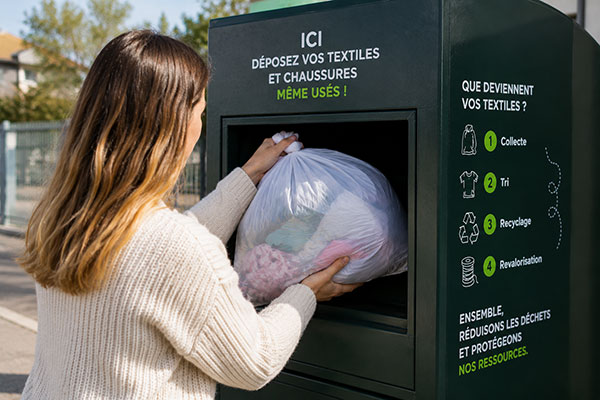
Collection cannot operate sustainably without awareness-raising. That is why we have also developed field initiatives to explain the challenges associated with textile end-of-life and encourage the right actions.
Events organised with our partners, including Mokki, as well as initiatives within companies such as those carried out with Urssaf Aquitaine, have helped raise awareness among different audiences. The objective is simple: to show that textiles that can no longer be worn or repaired may still contain valuable materials. Awareness-raising therefore becomes a genuine lever for improving collection.
14 tonnes: an indicator of scale-up
The 14 tonnes collected in 2024 represented a new record for Ecollant. Beyond the figure itself, this result demonstrated our ability to mobilise a network of stakeholders and progressively structure material streams.
This capacity is important as we move towards industrial scale-up. As recycling capacity increases, so does the need for secondary raw materials. Collection must therefore develop alongside the technology.
Building an industrial polyamide recycling value chain
The development of a recycling technology cannot be separated from the development of its supply chain. No industrial recycling without material to recycle.
This is why collection, sorting, preparation and traceability of feedstocks are integral parts of our strategy. Our ambition is to contribute to building a value chain capable of transforming complex textiles into recycled raw materials for industry. The 14 tonnes collected in 2024 represented one important step on this journey.
Thank you to our network
A huge thank you to everyone who contributed to this collection in 2024: citizens, companies, institutions, partners and employees. Every textile collected helps us better understand available feedstocks and prepare the conditions required for the development of industrial polyamide recycling.
Together, we are progressively building a new value chain for end-of-life textiles. ♻️