Skip to content

Collection

Pre-Consumer and Post-Consumer Material Recovery

Collection of Complex Textiles
The First Step in Our Process

For REC, the collection of polyamide-containing textiles is a critical first step in the value chain. It forms the foundation of a sustainable recovery process that transforms end-of-life materials into new resources.

By recovering these complex textile waste streams, REC helps reduce the environmental impact of the textile industry while supporting the transition toward a more responsible and circular economy.

Collection
Two Main Categories

For REC, textile collection is divided into two main categories: pre-consumer and post-consumer materials.

Pre-Consumer Textiles (Before Consumer Use)

These are textiles that have never been used by a consumer. They originate directly from industrial production and include: fabric offcuts from manufacturing processes, production defects, unsold inventory and surplus stock, unused samples and prototypes.

Post-Consumer Textiles (After Consumer Use)

These are textiles that have been used and subsequently discarded or donated by consumers, including: worn-out tights and hosiery, end-of-life lingerie, used garments and other textile products containing polyamide.

POLYAMIDE COLLECTION
Recovery of Pre-Consumer & Post-Consumer Materials

3 T

12 T

14 T

50 T

150 T

5000 T

2022
2023
2024
2025
2026
2028

Textile collection &
sorting companies

Department stores &
large-scale retail

Brands &
production

Corporate &
institutional employees

COLLECTION

PROCESSING

Recovery & Distribution

REC organizes collection through several channels:

  • Professional channels through sorting centers, with the implementation of dedicated sorting processes.
  • B2B partnerships with yarn and textile producers.
  • Direct contributions from brands and manufacturers through production offcuts.
  • Collection from employees of companies and institutions through dedicated in-house initiatives (collection points, awareness campaigns), enabling the capture of additional volumes of used textiles.
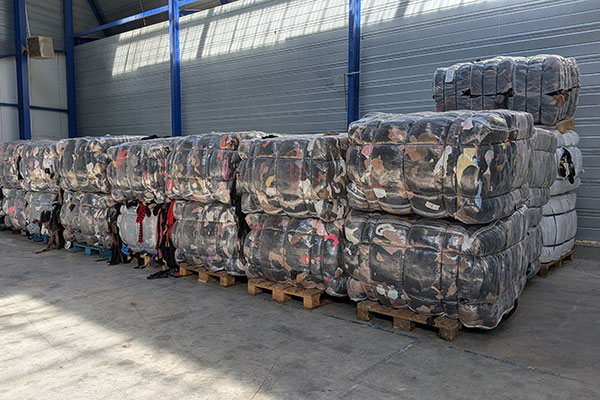
Constitution d'un stock de matière première

Building a Strategic Feedstock Supply

The collection of end-of-life textiles containing polyamide enables REC to secure a reliable supply of secondary raw materials. This feedstock is essential for supporting recycling operations and ensuring the continuity of industrial processes. By recovering and valorizing textile waste, REC reduces dependence on virgin resources while helping to stabilize supply chains, production flows, and material costs within a sustainable and circular framework.
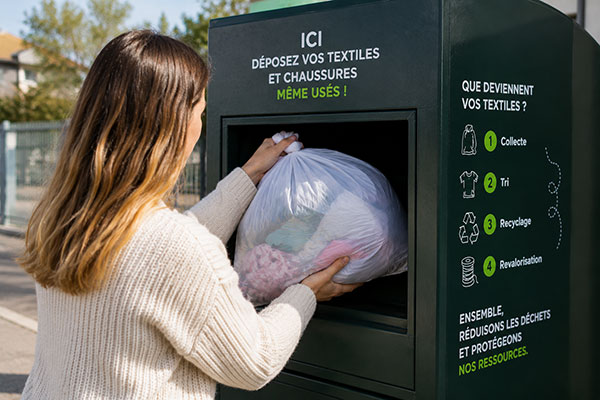
sensibilisation grand public

Raising Public Awareness

Beyond its operational value, collection also plays a key role in educating and engaging consumers. It encourages individuals to adopt more responsible habits when it comes to textile consumption and sorting. By making the product lifecycle and recycling potential more visible, REC helps drive a shift toward a more circular and environmentally conscious approach to fashion and textile use.
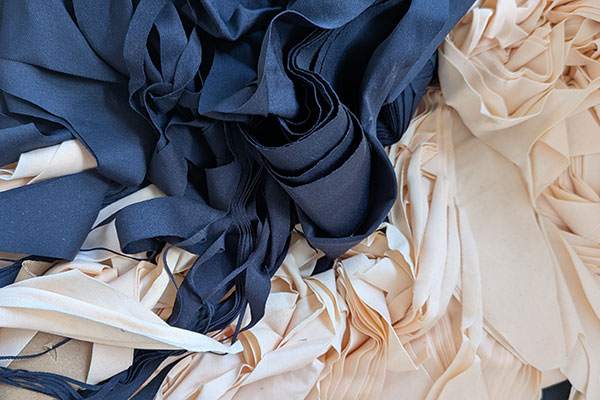
Optimizing the Recycling of Complex Materials

As a technical fiber, polyamide is often blended with other materials, making its recycling particularly challenging. Targeted collection streams facilitate the development of more effective and specialized recycling solutions, enabling the recovery of polyamide from complex materials that would otherwise remain difficult to recycle.
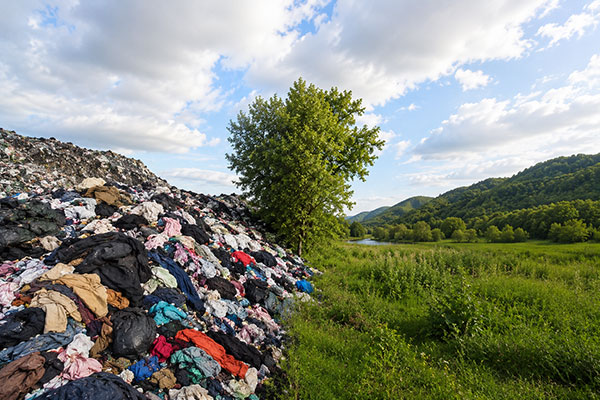
Reducing Environmental Impact

By diverting end-of-life textiles from incineration and landfill, REC helps reduce CO₂ emissions and minimize the environmental pollution associated with textile waste.
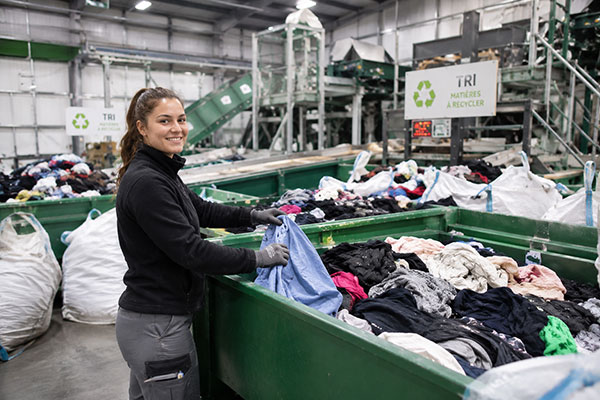
Supporting the Circular Economy

Collection is a key part of a circular model in which waste is transformed into valuable resources, fostering a more sustainable, resilient, and resource-efficient economy.
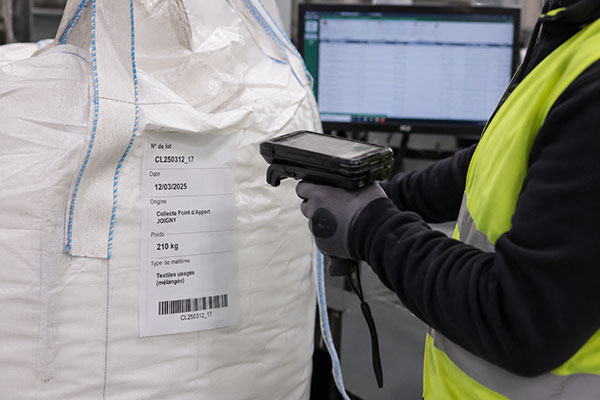
Traceability and Transparency

Implementing structured collection systems enables better monitoring of recovered textile volumes and material flows. This enhances transparency throughout the value chain and strengthens the credibility of environmental commitments and sustainability initiatives.


Recycle
by Refashion

logo Refashion

REC is listed on Recycle, the European digital platform developed by Refashion that connects stakeholders involved in recycling, material preparation, and the integration of recycled materials into new products. By participating in this ecosystem, REC contributes to strengthening circular value chains and accelerating the development of recycled material solutions across Europe.

Contact
us

Have a Question? A Project in Mind?
Feel free to get in touch with us.

    The information collected in this form is stored in a computerized file so that we can contact you afterwards. The data is not used for commercial purposes but only by REC, in accordance with our GDPR policy.

    Our
    Ambition

    Turning Today’s Waste into Tomorrow’s Strategic Resources

    Every year, millions of tonnes of polyamide-containing products reach the end of their life cycle without a suitable recovery solution. Whether they are technical textiles, lingerie, tights, carpets, nets, or industrial components, a large proportion of these materials are still landfilled or incinerated despite the value of the raw materials they contain.

    REC’s ambition is to change this reality.

    Through its polyamide regeneration technology and its collection and supply network, REC transforms these complex waste streams into a new high-quality raw material: recycled polyamide compounds (rPA) that can be reintroduced into industrial production processes to manufacture new products.

    This approach not only reduces the volume of waste being disposed of, but also helps preserve natural resources, lower the carbon footprint of industrial activities, and secure access to a strategic raw material.

    At REC, we believe that waste is not the end of a product’s life—it is the beginning of a new value cycle.

    Our
    Objectives

    Creating Value from Waste Instead of Paying for Its Disposal

    Today, a significant share of polyamide-containing waste is still sent to landfill or incineration, generating substantial costs across the value chain despite containing valuable raw materials that could be recovered and reused.

    REC’s objective is to provide collection, sorting, and recycling stakeholders with an industrial-scale recovery solution capable of transforming these complex waste streams into valuable resources for the circular economy.

    This approach is fully aligned with the ambitions of the French Extended Producer Responsibility (EPR) Textile sector, coordinated by Refashion, which aims to develop efficient collection, sorting, and recycling solutions to increase the recovery of end-of-life textile products while reducing their environmental impact.

    Beyond waste management, REC also addresses a broader strategic challenge: securing access to raw materials. Geopolitical crises, energy price fluctuations, supply chain disruptions, and market volatility continually highlight the risks associated with dependence on virgin resources.
    Our conviction is simple: before extracting or producing ever more raw materials, we should maximize the value of those already embedded in the products we use every day.

    By transforming polyamide-containing waste into new industrial resources, REC is helping build a more circular, resilient, and sustainable economy—one where yesterday’s waste becomes tomorrow’s raw material.

    One of Our Collection Partners

    We are currently developing a partnership with VitamineT, France’s leading employer in the Social and Solidarity Economy (SSE), to scale our collection activities and give them a true industrial dimension.

    Our Collection
    Network

    The objectives of our collection operations are twofold.

    First, they enable us to build the feedstock inventory required to support our scale-up activities and the production of our recycled polyamide (PA) compounds.

    Second, they serve as a powerful tool for raising public awareness. Through dedicated educational initiatives, we help consumers better understand the principles of circularity and the importance of giving materials a second life through recycling and resource recovery.