Skip to content

OUR NEWS

Stay up to date with our latest news, insights, and articles.

Polyamide Recycling: Discover REC in Video

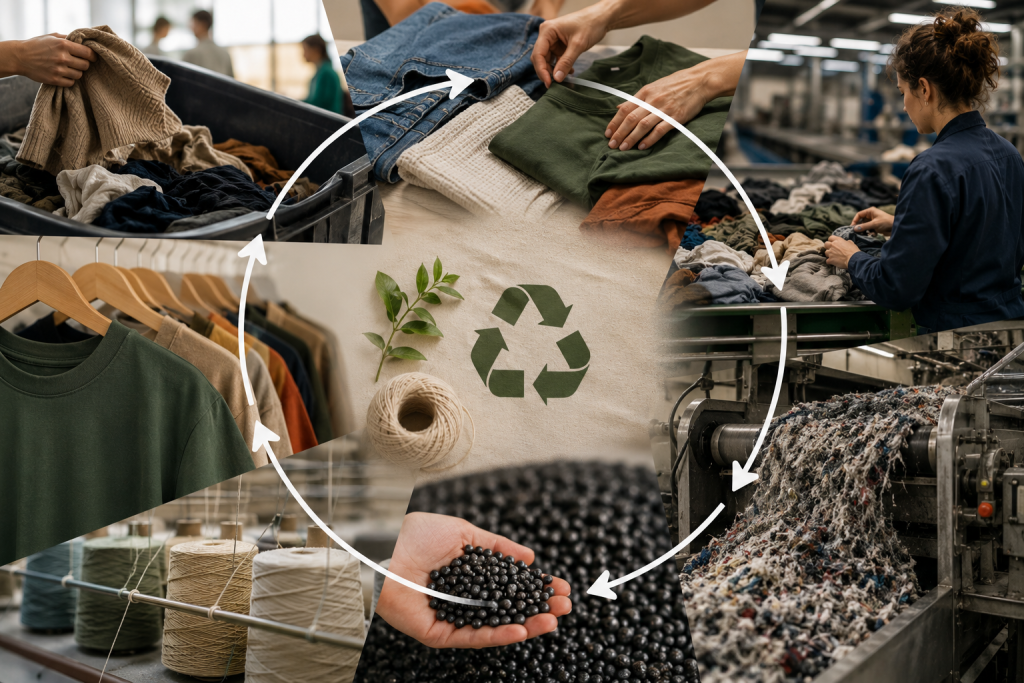
What if complex textiles currently considered waste could become a new resource for industry tomorrow? This is the ambition of REC, which is developing a technology dedicated to recovering and regenerating the polyamide contained in these materials. Discover our new motion design film to easily understand our technology, our approach and our vision for circularity.
laboratoire REC

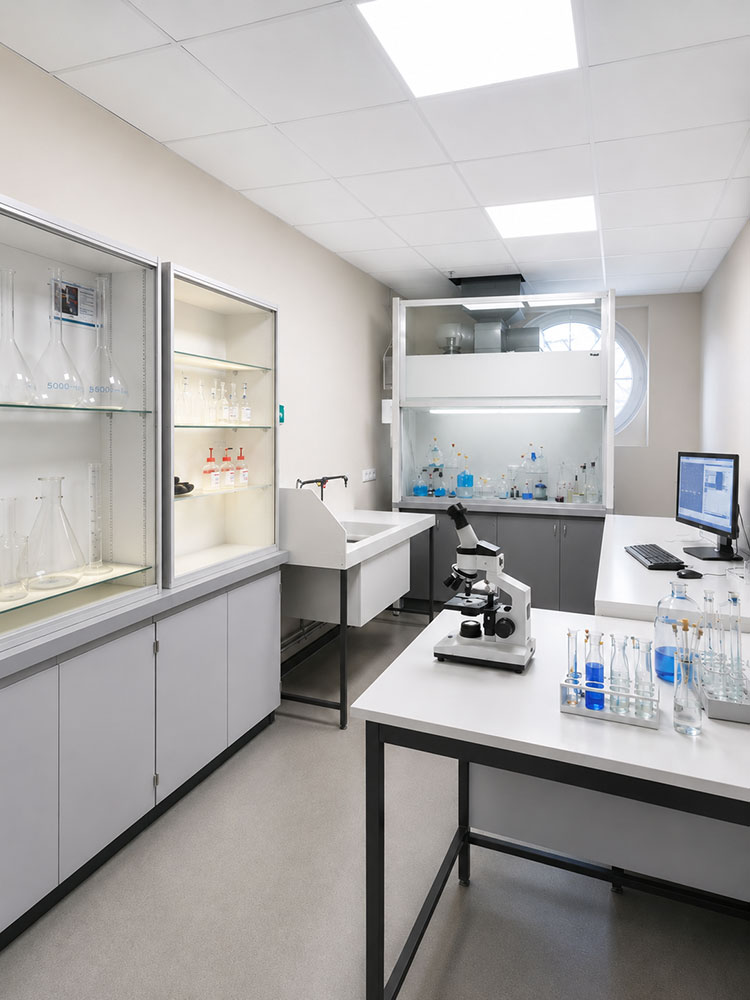
New laboratory in Joigny: REC strengthens its R&D to industrialise polyamide recycling

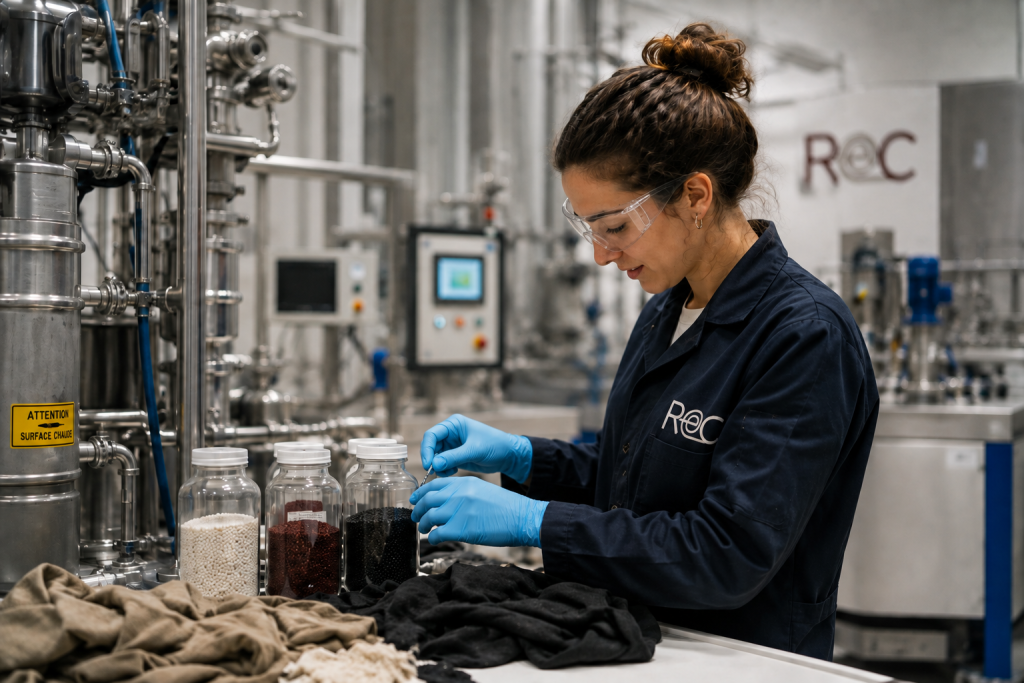
From research to industry, REC is taking a new step forward. With its new laboratory in Joigny, the company is strengthening its R&D capabilities and preparing to scale up its polyamide recycling technology. Discover why this laboratory plays a key role in developing a new recycling industry for complex textiles.

European Textile EPR: What Do the New Rules Change for Textile Recycling ?

What will the new European textile EPR change for recycling? European legislation strengthens Extended Producer Responsibility (EPR) and is expected to help finance the collection, sorting, reuse and recycling of textiles. But beyond the regulatory framework, the entire value chain needs to become more structured in order to improve the recovery of complex textiles. Discover what these new rules could mean for polyamide recycling and the industrialisation of new textile circularity solutions.

Industrial Innovation and Textile Recycling: When Deeptech Addresses Environmental Challenges

How can industrial innovation provide concrete solutions to today’s major environmental challenges? From reducing waste to preserving resources, recycling technologies are opening up new ways to transform industrial models. Discover how REC is developing a Deeptech solution to recover and regenerate polyamide from complex textiles, and why scaling up the technology and building an industrial value chain are essential to achieving a lasting impact.

How to structure a local textile recycling sector ?

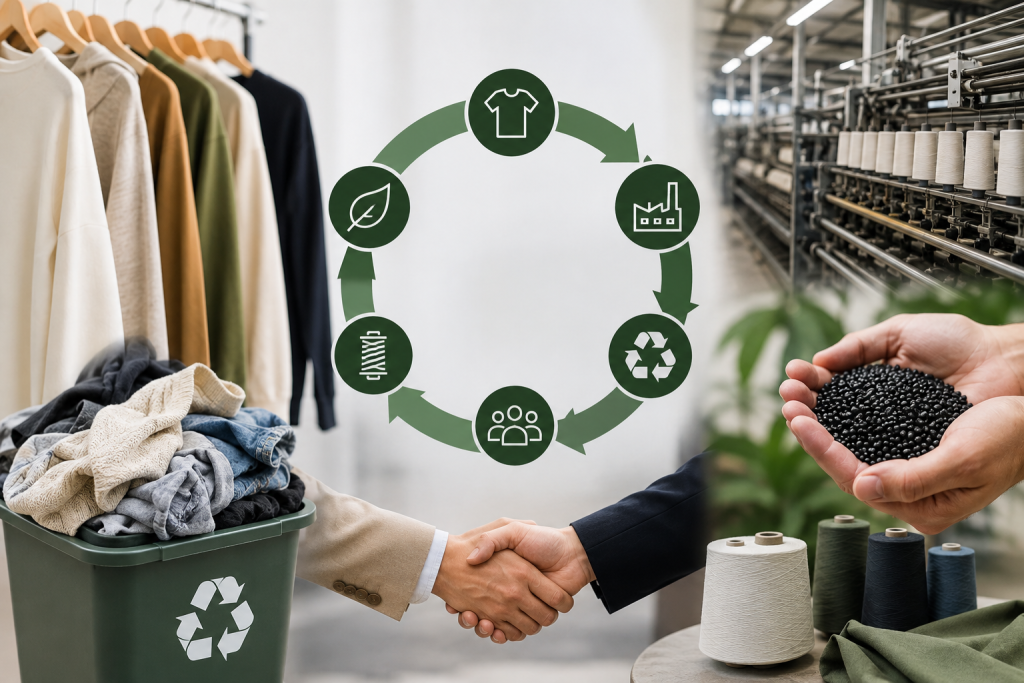
How can we build a truly local textile recycling sector? Collection, sorting, logistics, innovation and recycling: every link in the chain is essential to improving the recovery of used textiles. In Burgundy-Franche-Comté, REC brings regional stakeholders together around a shared objective: to improve the management of textile waste and develop solutions for recycling complex textiles, while fostering a circular economy rooted in local communities. Discover the key challenges and opportunities for collaboration identified during this meeting.

Startups and the Ecological Transition of Fashion: What Role Does Industrial Innovation Play?

What role can startups play in the ecological transition of the fashion industry? Faced with challenges related to resources, waste and textile end-of-life, Deeptech startups are developing new solutions to overcome technological barriers. From recycling complex textiles to producing recycled materials, discover how industrial innovation can help transform the textile industry and why scaling up is essential to creating real impact.

Women in Industry and Tech: Why Diversity Drives Innovation

What role do women play in industry, technology and Deeptech? Faced with the challenges of reindustrialization and the ecological transition, companies need diverse scientific, technical, industrial and managerial skills. A look back at REC’s participation in Lady’J Tech and at the role diversity plays in developing new technologies, particularly in industrial recycling and the circular economy.

Circular Fashion: Why Collaboration Between Brands, Companies and Recyclers Is Essential

What if one meeting could change the course of a project? In 2022, Ecollant, which became REC, won the European Circular Fashion Trophies, a distinction that above all helped create decisive meetings and collaborations. From collecting end-of-life textiles to exchanges with brands and fashion industry stakeholders, discover how an event can help an innovation grow and lay the foundations for a more circular textile industry.

World Recycling Day: Why Textile Recycling Is Essential to the Circular Economy

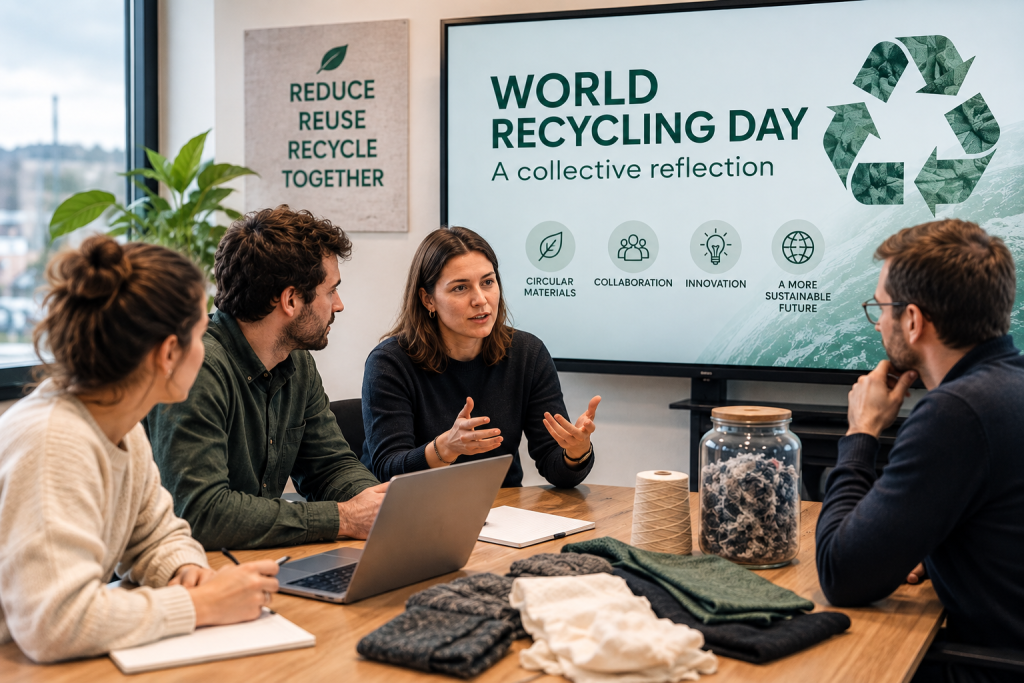
Why is textile recycling essential to the circular economy? Giving used textiles a second life helps reduce reliance on virgin resources and develop new recycled raw materials. From collection and sorting to polyamide recycling, discover why cooperation between the different stakeholders across the textile value chain is essential to accelerating the transition towards a more circular economy.

Global Industrie 2025: Reindustrialization, the Circular Economy and Industrial Scale-Up

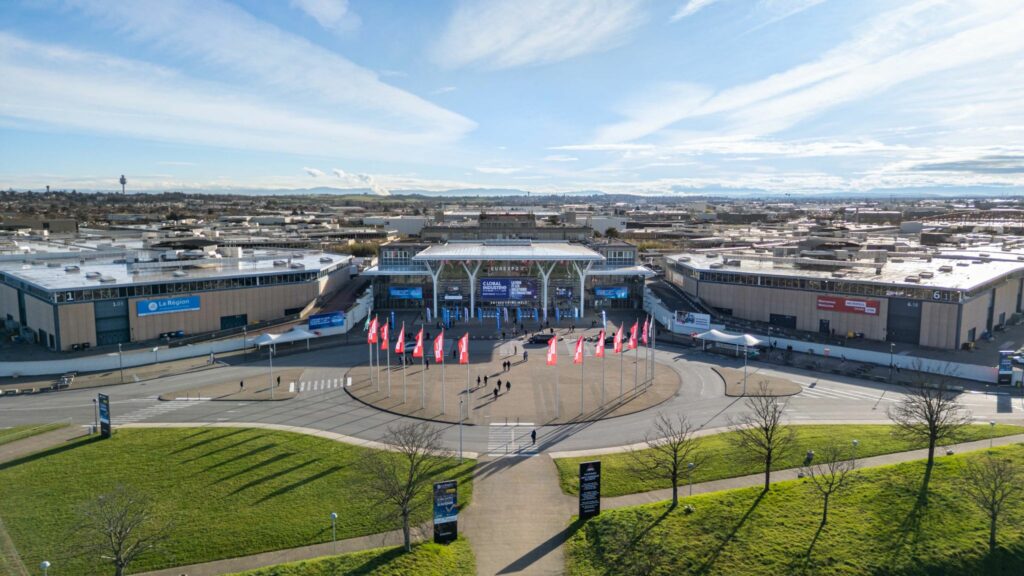
How can French industry accelerate its transition towards a more circular and sovereign model? After four days at Global Industrie 2025, Ecollant, now REC, looks back at the major challenges transforming industry: reindustrialization, decarbonization, industrial sovereignty, innovation and the circular economy. Discover why polyamide recycling is at the heart of these transformations and how REC is preparing to scale up its technology for industrial deployment.

Textile recycling: from complex waste to Ecollant’s innovation laboratory

How can a textile recycling technology move from the laboratory to industry? In 2025, Ecollant welcomed the teams from Dynamo Production and France 3 Bourgogne-Franche-Comté to AuxR_Lab for filming dedicated to the future of textiles and new recycling solutions. It was an opportunity to take a behind-the-scenes look at the R&D, experimentation and scale-up of a technology dedicated to recycling polyamide from complex textiles, now being developed and industrialised by REC.

Industrial Pilot and Scale-Up: A Decisive Step Towards the Industrialisation of Polyamide Recycling

What is an industrial pilot and why is it essential for polyamide recycling? Positioned between laboratory development and full-scale industrial production, an industrial pilot makes it possible to test process performance at a larger scale and assess yields, recycled material quality and process stability. Discover how this stage supports REC’s scale-up and the development of an industrial value chain dedicated to recycling complex textiles containing polyamide.

How is the French textile industry adapting to the challenges of the future ?

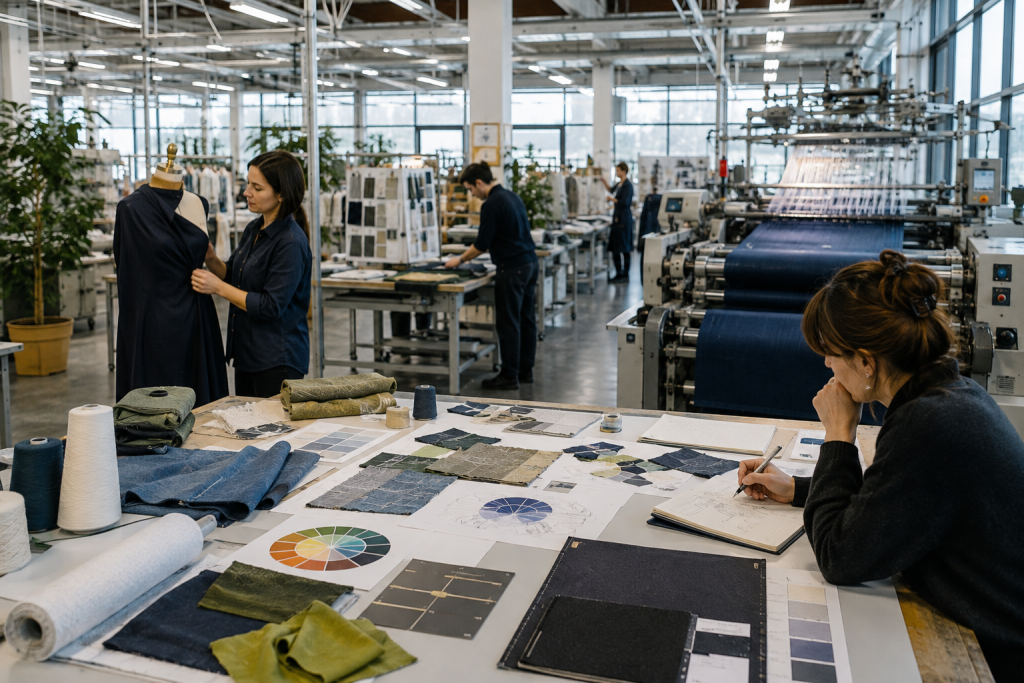
How can the French textile industry remain competitive while accelerating its ecological transition? Reindustrialisation, innovation, cooperation, industrial sovereignty and the circular economy are now at the heart of the transformation of the sector. Discover the major challenges facing the French textile industry and why recycling polyamide from complex textiles can contribute to building a more resilient and circular industry.

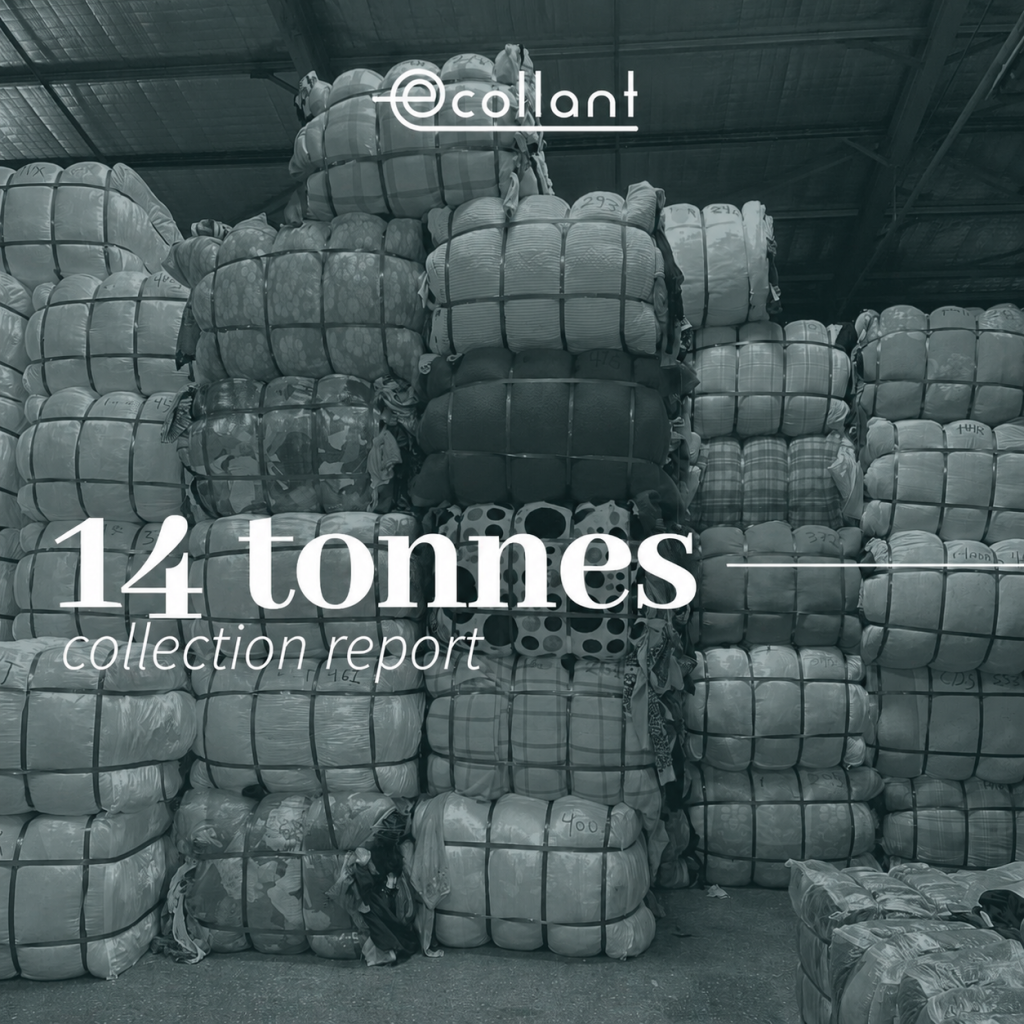
14 Tonnes of Textiles Collected in 2024: How REC Is Building Its Polyamide Collection Network

How can a collection network be built to supply an industrial polyamide recycling value chain? In 2024, Ecollant, which became REC, reached a new milestone, with 14 tonnes of textiles containing polyamide collected through more than 60 active collection points. A look back at a year of mobilisation, partnerships and awareness-raising efforts that are helping secure the feedstock needed to develop the recycling of complex textiles.

ECOLLANT at Global Industrie 2025: A First Spool of Recycled Yarn Made from Textiles Containing Polyamide

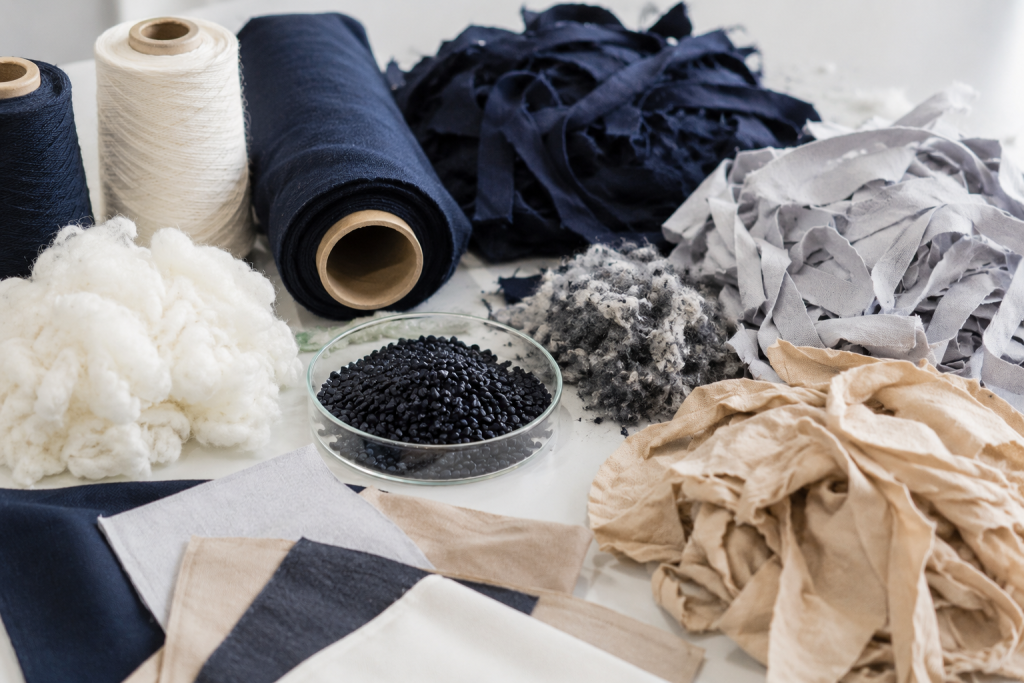
Polyamide recycling: how can textile waste be transformed into a new raw material? At Global Industrie 2025, Ecollant, now REC, presented a first spool of yarn made from polyamide recovered from end-of-life textiles. This concrete demonstration highlighted the progress of our complex textile recycling technology and REC’s ambition to build an industrial recycled polyamide value chain. Discover the story behind our participation and the next steps towards industrialisation.