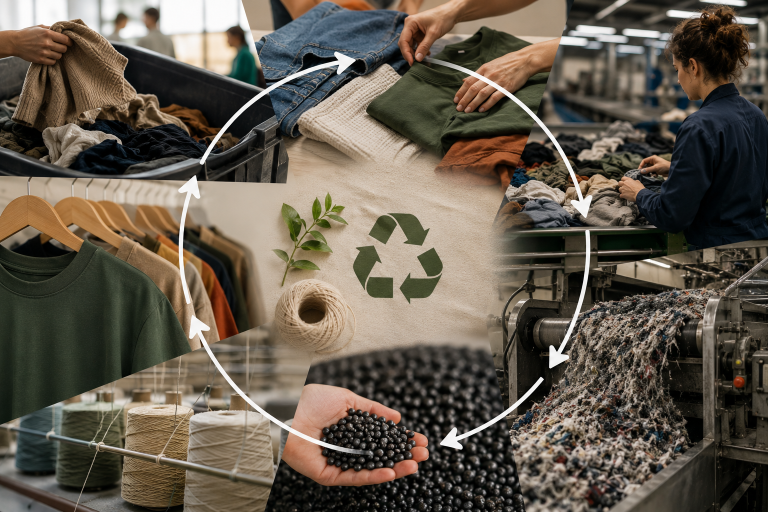
The management of end-of-life textiles represents a major challenge for local communities. Collection, sorting, reuse, recycling of complex textiles and material recovery require coordination between many different stakeholders. In Burgundy-Franche-Comté, REC is contributing to a collective effort to better structure the local textile sector and develop new recovery solutions.
2026 update: This article, originally published under the name Ecollant, has been updated following the company’s name change. Ecollant became REC at the end of 2025 and is now continuing its industrial development in polyamide recycling from its site in Joigny.
A textile sector that needs to work better together
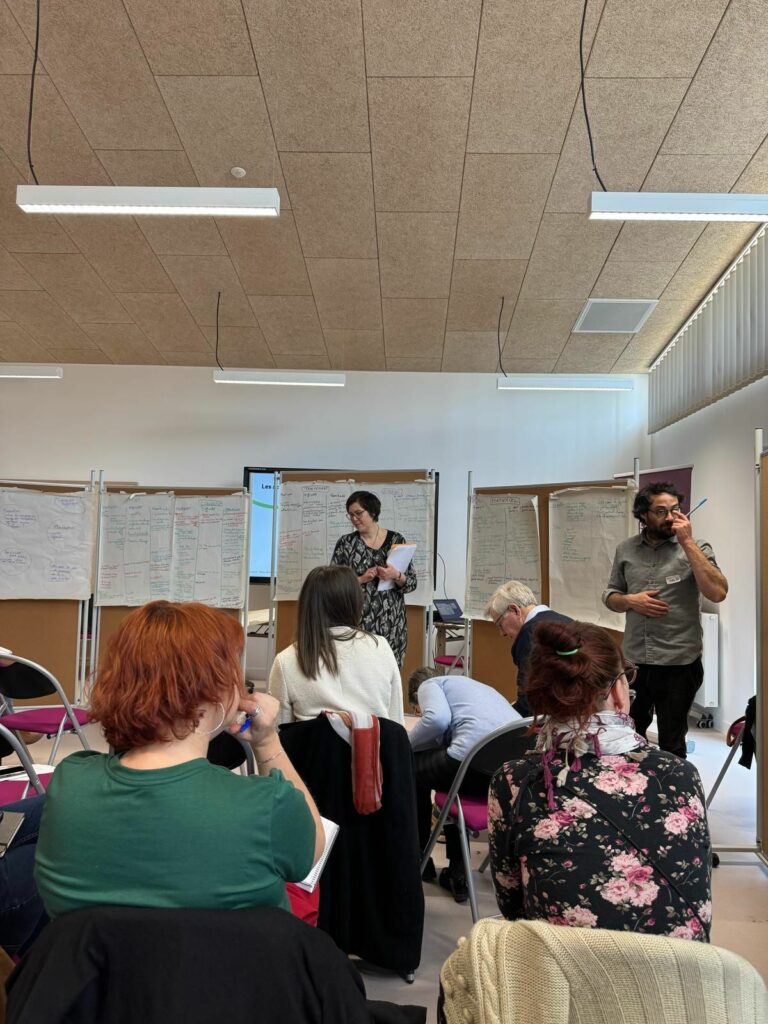
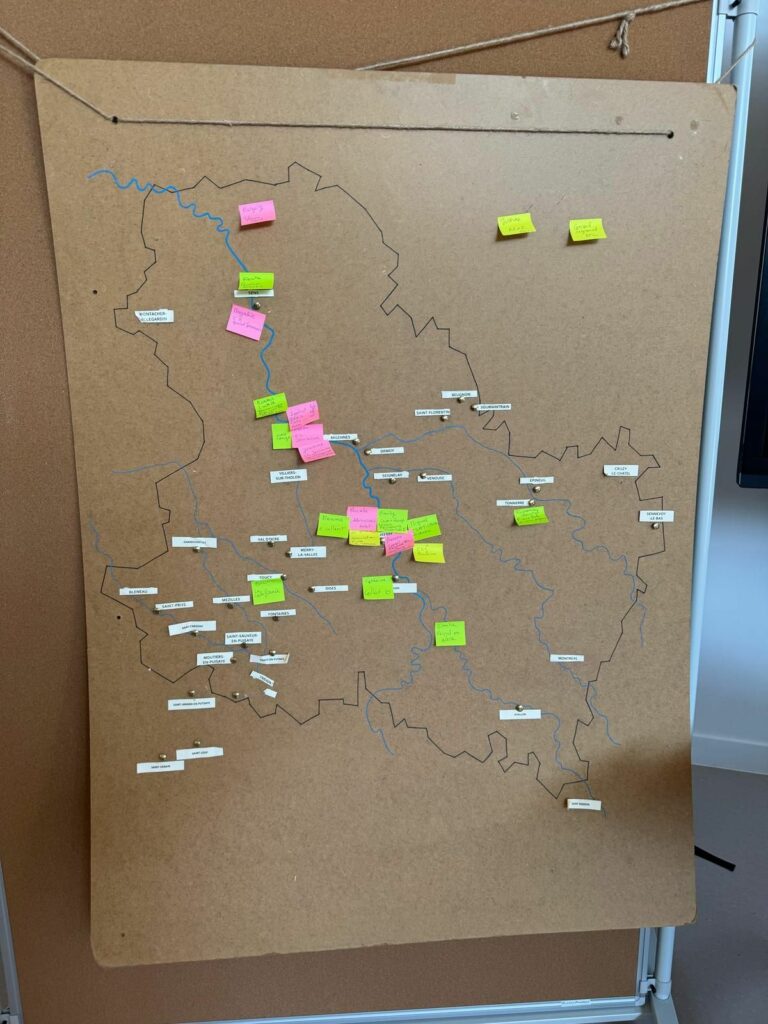
In 2025, we took part in a new meeting bringing together various stakeholders from the textile sector in Burgundy-Franche-Comté. This meeting followed an initial gathering held a few months earlier and aimed to continue a collective discussion around a key question: How can we better manage end-of-life textiles at a local level and turn this waste into resources for the circular economy?
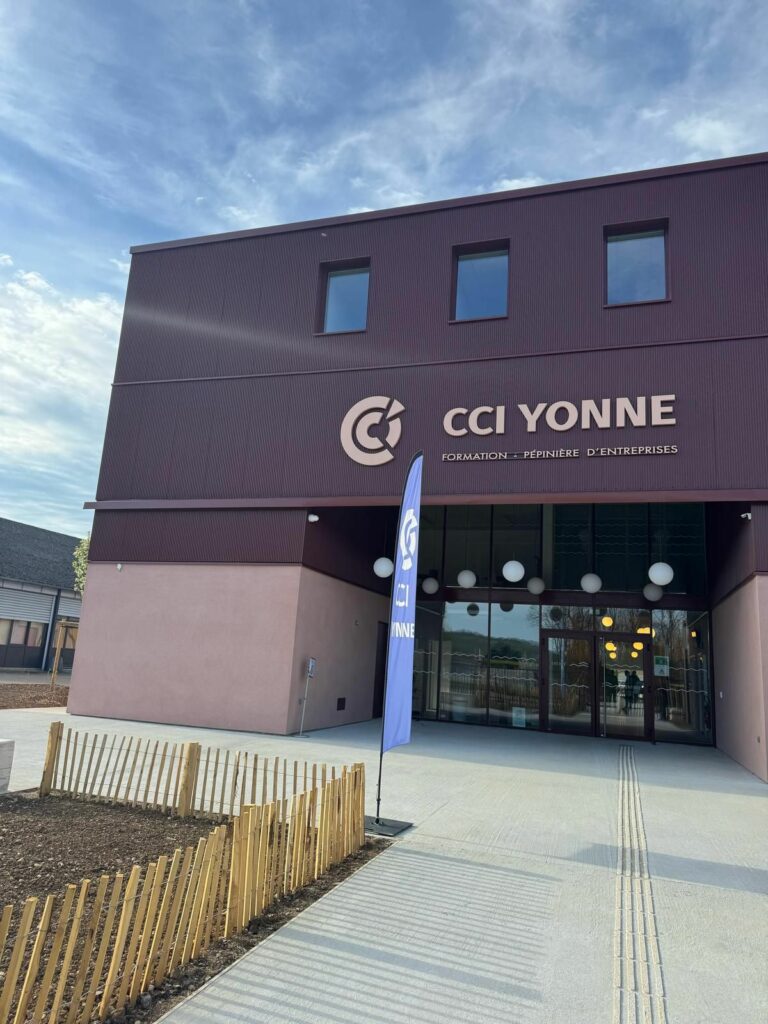
The meeting brought together various local stakeholders, including representatives from FDFR 89, Syndicat des Déchets Centre Yonne (SDCY), ADEME, ARAR BFC, CCI Yonne and the Bourgogne-Franche-Comté Region. This diversity of stakeholders is important because end-of-life textile management does not depend on a single link in the chain.
It relies on a complete value chain: collect → sort → prepare → reuse → recycle → recover materials.
Why structure a local textile recycling sector ?
Today, end-of-life textiles can follow very different pathways depending on their composition, condition and recovery potential. Some can be reused. Others can be directed towards different forms of recovery. However, some textiles remain particularly difficult to process, especially when they are made up of multiple fibres that are closely intertwined.
This is particularly true of certain textiles containing polyamide and elastane. These complex materials remain a significant challenge for recycling industries.
Discover why certain polyamide-containing textiles are difficult to recycle
The main challenges facing the textile sector
The discussions between the stakeholders involved highlighted several key challenges.
1. Better coordination between stakeholders
The textile sector brings together many different professions and organisations: local authorities, associations, collectors, sorting centres, reuse organisations, recyclers, industrial companies and brands.
When each stakeholder works separately, it can be difficult to optimise the value chain as a whole.
Better coordination could help to:
- better identify available waste streams;
- improve the quality of collected materials;
- facilitate their routing towards the appropriate recovery channels;
- reduce logistical gaps;
- develop new synergies between stakeholders.
Circularity therefore also begins with better organisation across the sector.
2. Finding solutions for complex textiles
The second challenge concerns textiles that cannot easily be reused or recycled using conventional processes. Blended textiles are a particularly complex case.
When a textile combines several fibres, separating them can be difficult and limit recovery opportunities. At REC, we are working specifically on this issue, focusing on polyamide contained in complex textiles.
Our technology aims to recover and regenerate this material in order to produce recycled polyamide for new industrial applications.
Learn more about REC’s polyamide recycling technology
3. Improving the recovery of available textile volumes
Another challenge is volume. The amount of textiles reaching the end of their useful life requires sufficiently structured channels to direct each stream towards the most appropriate recovery solution. Developing new recycling capacity can therefore help complement existing solutions. To achieve this, it is essential to have access to sufficient, consistent and properly characterised feedstock.
This is why collection and sorting are directly connected to the development of recycling technologies.
Discover the polyamide feedstocks REC is looking for
4. Raising awareness among consumers and businesses
The success of a textile sector also depends on behaviour upstream. Textiles that are no longer used need to be directed towards the appropriate channels. This requires raising awareness among consumers, but also among companies and organisations that may have their own textile stocks or waste streams.
Awareness-raising should help people understand that an end-of-life textile may still contain recoverable materials.
Textile waste can become a resource when it is properly collected, sorted and directed towards the right recovery channel.
Building solutions at a local level
In response to these challenges, the working group aimed to explore common solutions. Several areas of action were identified:
- strengthening synergies between regional initiatives;
- improving textile collection and sorting;
- encouraging innovation in the recycling of complex textiles;
- better organising the logistics of material flows;
- improving knowledge of available feedstocks;
- raising awareness among businesses and consumers;
- developing new local textile recovery channels.
This approach means moving beyond thinking stakeholder by stakeholder and instead considering the entire value chain.
REC: developing polyamide recycling in Burgundy-Franche-Comté
REC’s establishment in Joigny, in the Yonne department, is fully aligned with this dynamic. Our objective is to develop industrial capacity to process polyamide-containing textiles and transform this material into recycled polyamide.
Our project therefore sits at the intersection of several regional challenges: textile recycling + Deeptech innovation + circular economy + reindustrialisation.
However, developing an industrial recycling activity requires much more than a technology. It requires feedstock, partners, skills, infrastructure and industrial outlets.
Discover REC’s industrial development and presence in the region
A sector that starts with the local territory
The discussions held with regional stakeholders have reinforced our conviction: the transition towards a more circular textile economy must also be built at the local level.
Local communities have resources, expertise and complementary stakeholders. Bringing them together around common objectives makes it possible to better identify challenges, pool certain solutions and develop new value chains.
This territorial approach can also serve as a testing ground for experimenting with new forms of organisation before scaling them up more widely.
Building a more circular textile sector together
The transition towards a circular economy cannot rely on a single technology or a single company. It requires cooperation between:
local authorities + collection stakeholders + sorting centres + reuse organisations + recyclers + industrial companies + brands + consumers.
This collective approach will make it possible to improve the recovery of end-of-life textiles and develop new solutions for materials that are currently difficult to recycle.
For REC, this dynamic begins at the local level, in Burgundy-Franche-Comté, but forms part of a much broader ambition: to contribute to the development of a European industrial value chain for polyamide recycling.
Together, let’s turn end-of-life textiles into resources for the industry of tomorrow. ♻️