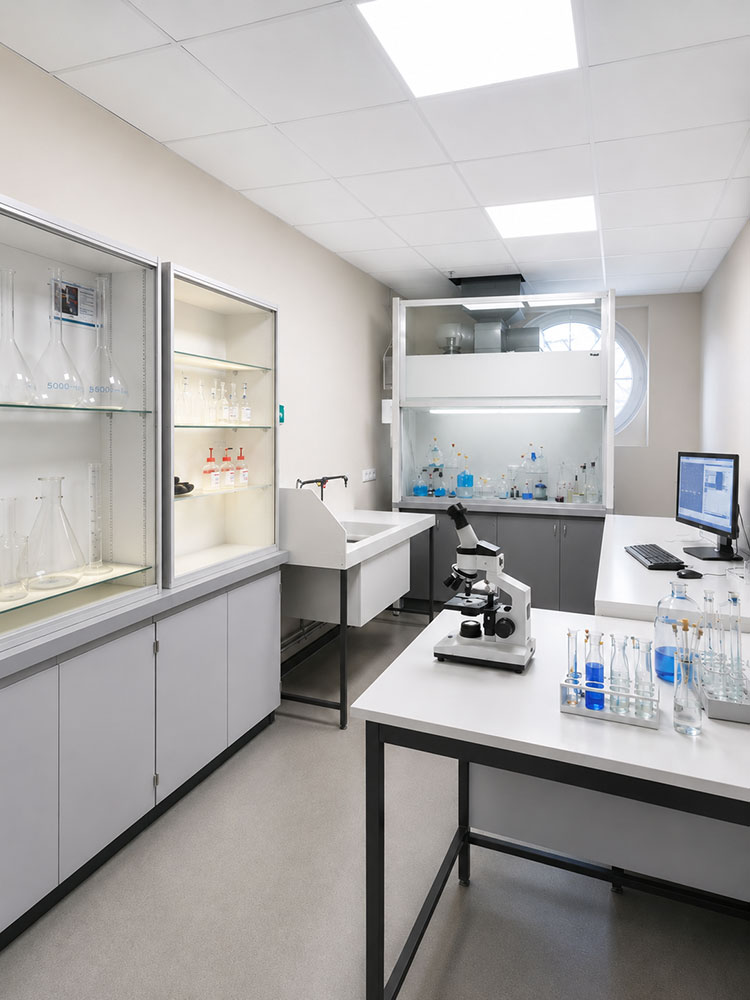
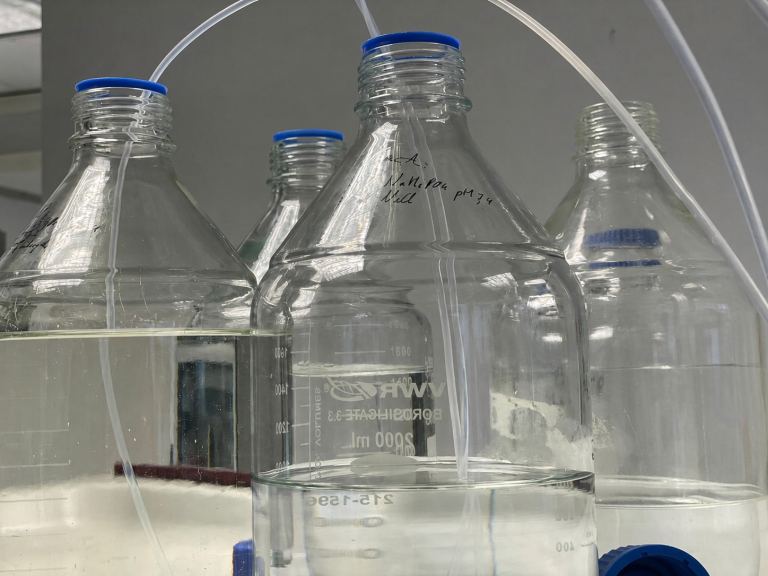
In 2025, Ecollant reached a new milestone in the development of its technology for recycling complex textiles containing polyamide. The year was focused on laboratory-scale scale-up, with a clear objective: consolidate the process and prepare it for the transition to an industrial scale.
2026 update: Ecollant has become REC and is now pursuing its industrial development from its site in Joigny, Burgundy-Franche-Comté.
2025: Focusing on Laboratory Scale-Up
For Ecollant, which became REC in 2026, 2025 was far from a slowdown. After several years dedicated to developing and validating our technology, we entered a particularly strategic phase: scaling up the process at laboratory scale.
This stage was designed to progressively prepare our technology for a change in scale in the recycling of complex textiles containing polyamide.
The objective was clear: move from a validated laboratory process to a sufficiently robust solution to prepare for industrial deployment.
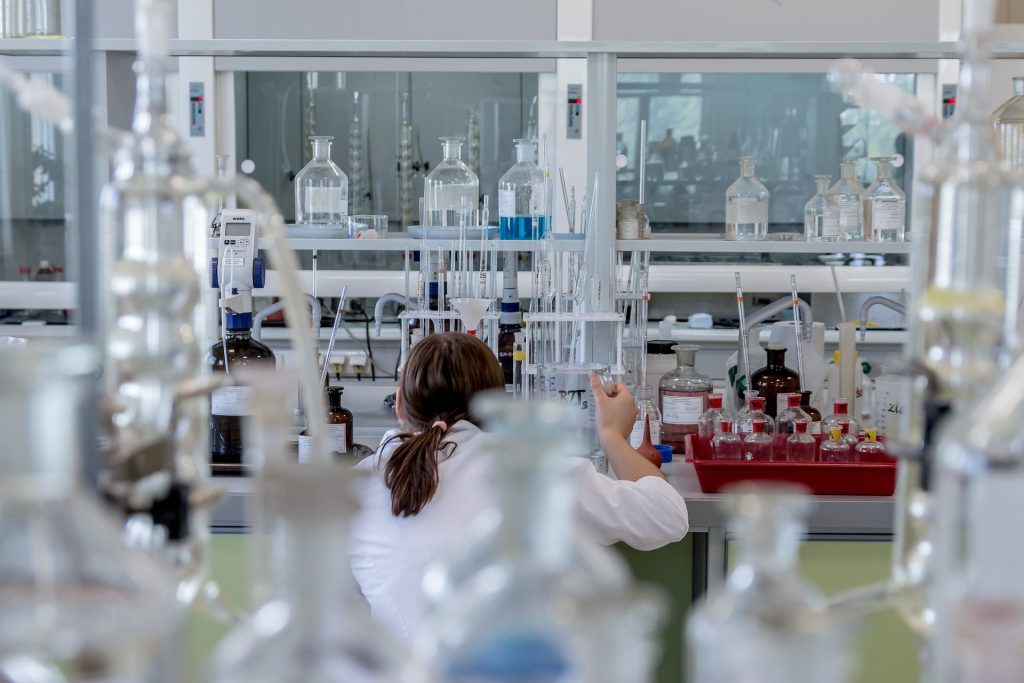
Why Is Scale-Up Such an Essential Step?
Moving from the laboratory to industry is not simply a matter of increasing volumes. When a process is developed at a small scale, it is essential to verify that it remains controlled as the quantities of material increase. Scale-up makes it possible to assess:
- process reproducibility;
- operating parameters;
- yields;
- the quality of the recovered material;
- equipment performance;
- resource consumption;
- material flow management;
- overall process robustness.
For a technology designed to recycle complex textiles, this stage is particularly important.
Textile waste can vary significantly in composition, characteristics and contamination levels. The process therefore needs to be sufficiently robust to handle these materials while ensuring a quality of recycled material compatible with the intended industrial applications.
From Complex Textiles to Recycled Polyamide
The technological challenge we are addressing is directly linked to the complexity of certain textiles and materials. Products such as airbags, tights, lingerie and certain sportswear garments can combine several fibers, particularly polyamide and elastane. This combination makes separation particularly challenging and represents a major barrier to their recycling.

REC’s technology is designed to recover the polyamide contained in these complex materials, regenerate it and produce recycled raw material for new industrial applications.
Discover REC’s polyamide recycling technology
Three Pillars for Preparing for Industrialisation
Our development roadmap was built around three key pillars.
1. Scaling Up the Process
The first challenge was to optimise the process and prepare it for larger volumes. Each stage needed to be tested, measured and documented in order to identify the parameters required to achieve a robust and reproducible process.
2. The Right Equipment
The second pillar focused on equipment. Changing scale requires progressively identifying and integrating the tools capable of supporting increased volumes and meeting the requirements of future industrial production.
These systems must enable precise control of the different stages involved in textile processing while ensuring the quality of the recovered material.
3. Collaboration Between Experts
The third pillar was human. Developing an industrial technology requires collaboration between many different experts: scientists, engineers, industrial companies, equipment manufacturers and technical partners.
It is this combination of expertise that makes it possible to transform a laboratory innovation into a reliable and reproducible industrial solution.
A Step-by-Step Development Roadmap
Developing an industrial Deeptech technology takes time, method and extensive validation. Laboratory → Scale-up → Demonstration → Industrialisation: each stage helps reduce uncertainties and prepare for the next.
The phase launched in 2025 therefore played an essential role in our development journey. It enabled us to consolidate our knowledge, further characterise our process and prepare the conditions required to scale up our technology.
Our ambition remains unchanged: to transform complex textile and material waste containing polyamide into new resources for industry.
Thank You to Our Ecosystem
This progress would not have been possible without our network of partners, scientists, experts and supporters. We thank them for their trust and commitment at every stage of our project’s development.
In 2025, we were in the laboratory preparing for scale-up. In 2026, REC is continuing this journey from its industrial site in Joigny.
And this is only another step in the adventure.