In November 2024, Ecollant, which became REC in 2026, took part in Textile 360, an event bringing together stakeholders from the textile industry and its end-of-life value chain. The evening was filled with discussions around the collection, sorting and recovery of used textiles, as well as the development of recycled materials.
REC (formerly Ecollant) at Textile 360
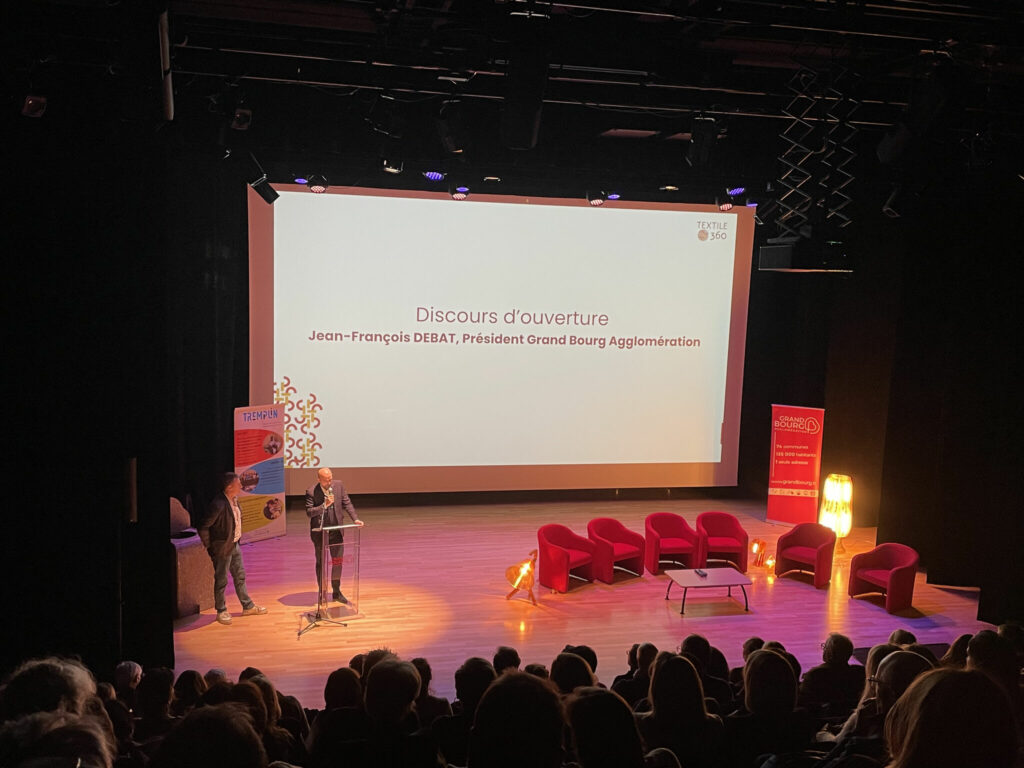
We took part in Textile 360, an event organised by our long-standing partner, Tremplin, which brings together a wide range of stakeholders committed to transforming the textile industry, particularly in the management of textile end-of-life. The event provided a valuable opportunity to meet the different links in this value chain: collectors, sorting centres, recovery companies, start-ups, industrial players and organisations developing new materials from used textiles.
For REC, these meetings are particularly important. Developing polyamide and complex textile recycling requires collaboration across the entire value chain, from textile collection and sorting to the processing of recycled materials and their reintegration into new applications.
Structuring and optimising the textile value chain
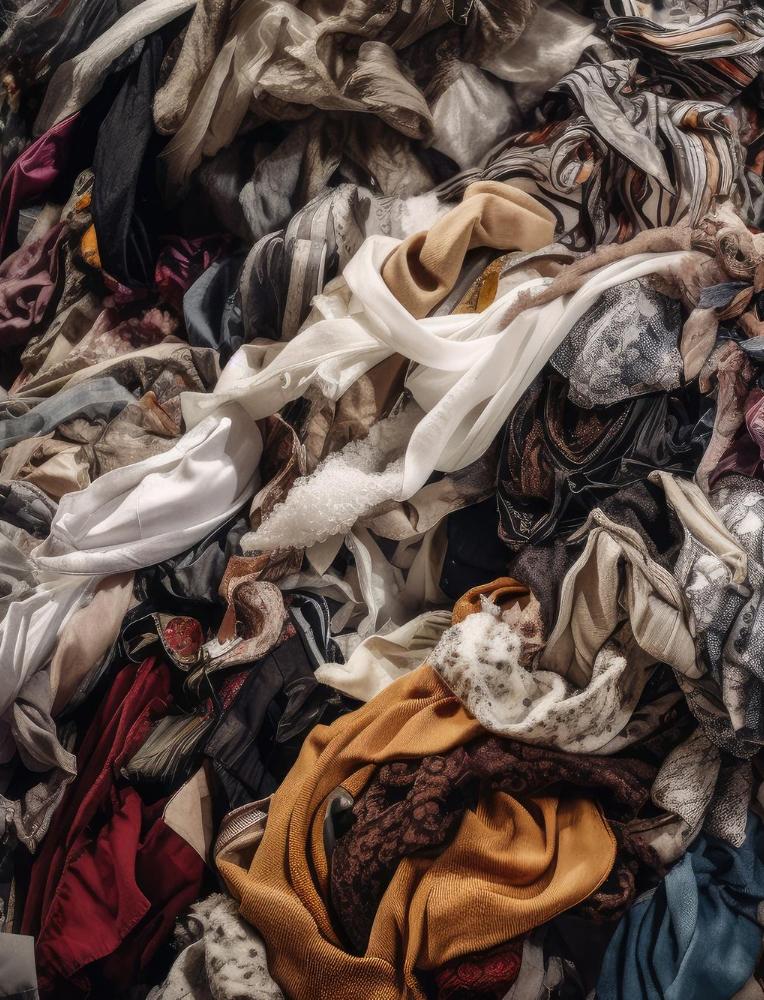
The presentation at Textile 360 opened discussions around the challenges of structuring and optimising the textile value chain in France. Managing textile end-of-life is a major challenge: not all textiles can be reused or recycled in the same way, and their composition can vary significantly. Developing a circular economy therefore depends on our ability to better identify waste streams, improve collection and sorting, and direct each material towards the most appropriate recovery solution.
For complex textiles made from multiple fibers, these challenges are even greater.
This is particularly true of textiles containing polyamide and elastane, such as certain tights, sportswear and lingerie. Separating these fibers is a major technological challenge and one of the key issues addressed by REC.
Discover REC’s approach to recycling complex textiles and polyamide.
Collaboration is essential to giving textiles a second life
The discussions at Textile 360 also confirmed an essential reality: no single player can build an efficient textile recycling value chain alone. Textile circularity requires cooperation between complementary professions and areas of expertise:
- collection operators;
- sorting centres;
- material preparation specialists;
- recycling companies;
- material manufacturers;
- industrial companies;
- brands;
- technical centres and research organisations.
Each stage contributes to improving the quality of material streams and creating the conditions required for their recovery. At REC, this collaborative approach starts with the collection of textiles containing polyamide, in order to identify and prepare waste streams suited to our recycling process.
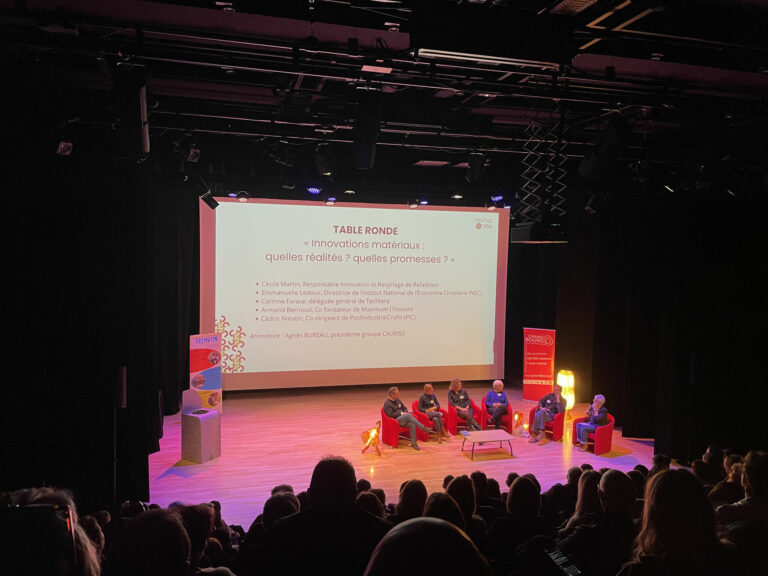
A round table dedicated to innovative materials from textile waste
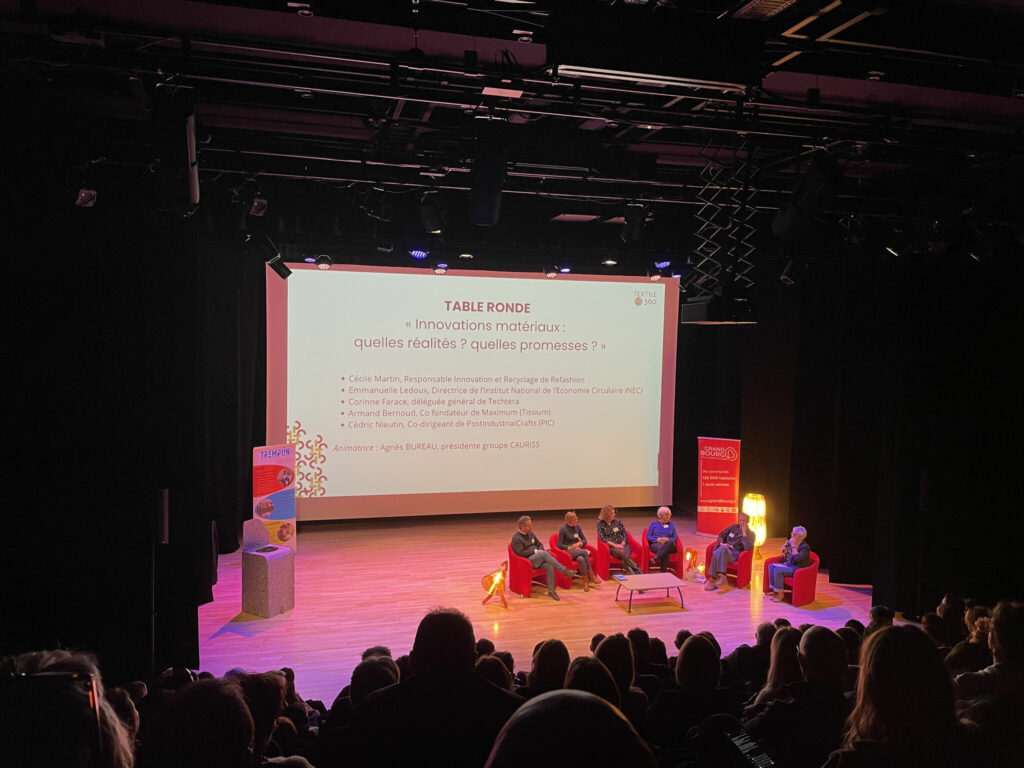
One of the highlights of the evening was the round table dedicated to innovative materials made from textile waste. The discussion brought together several industry experts:
- Cécile Martin, representing Refashion;
- Emmanuelle Ledoux, representing the National Institute for the Circular Economy;
- Corinne Farce, representing TECHTERA;
- Armand Bernoud, representing Tissium;
- Cédric Nieutin, representing Post Industrial Crafts.
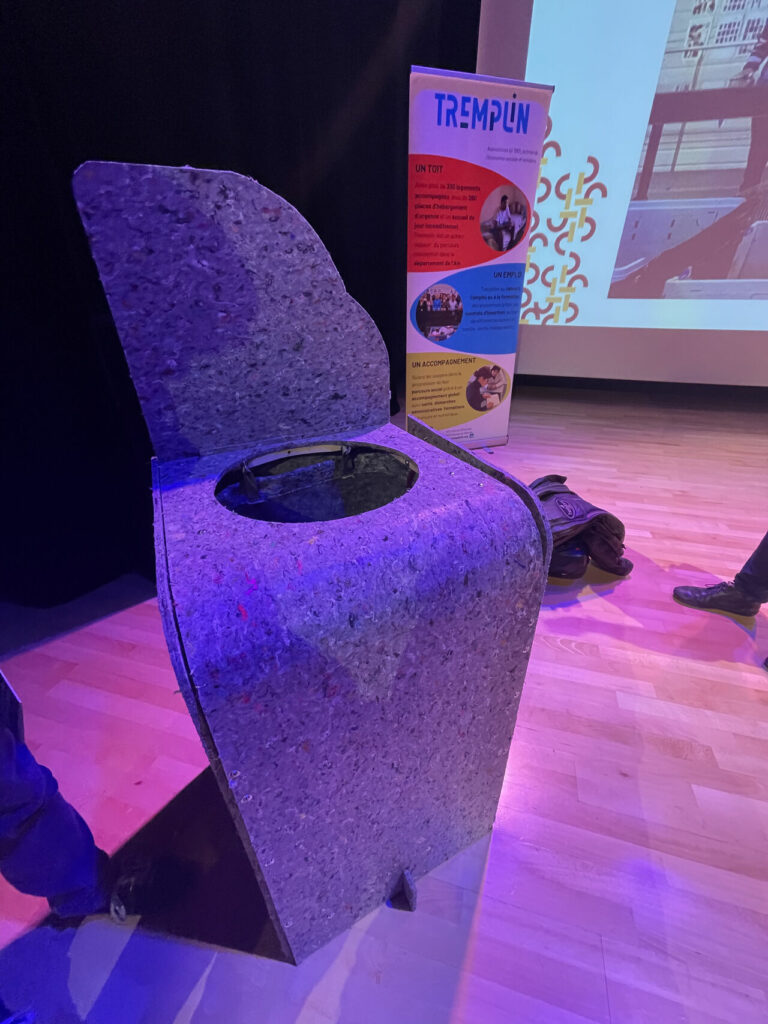
The discussions highlighted both the challenges and the many opportunities associated with developing new materials from recycled textile waste. These contributions showed that many challenges remain, but also that initiatives and technologies capable of transforming textile waste into new resources are continuing to emerge.
Open-loop and closed-loop recycling: two levers for textile circularity
The discussions at Textile 360 also highlighted the importance of distinguishing between different forms of circularity.
In a closed loop, a material recovered from an end-of-life product can be recycled to produce the same or a similar material or product again.
In an open loop, the recycled material is used in another application or another industry.
Both approaches can help extend the useful life of materials and reduce the consumption of virgin resources. For complex textiles, developing several complementary recovery pathways is particularly important to prevent materials that are difficult to recycle from being systematically sent to incineration or landfill.
Exchanges that create new synergies
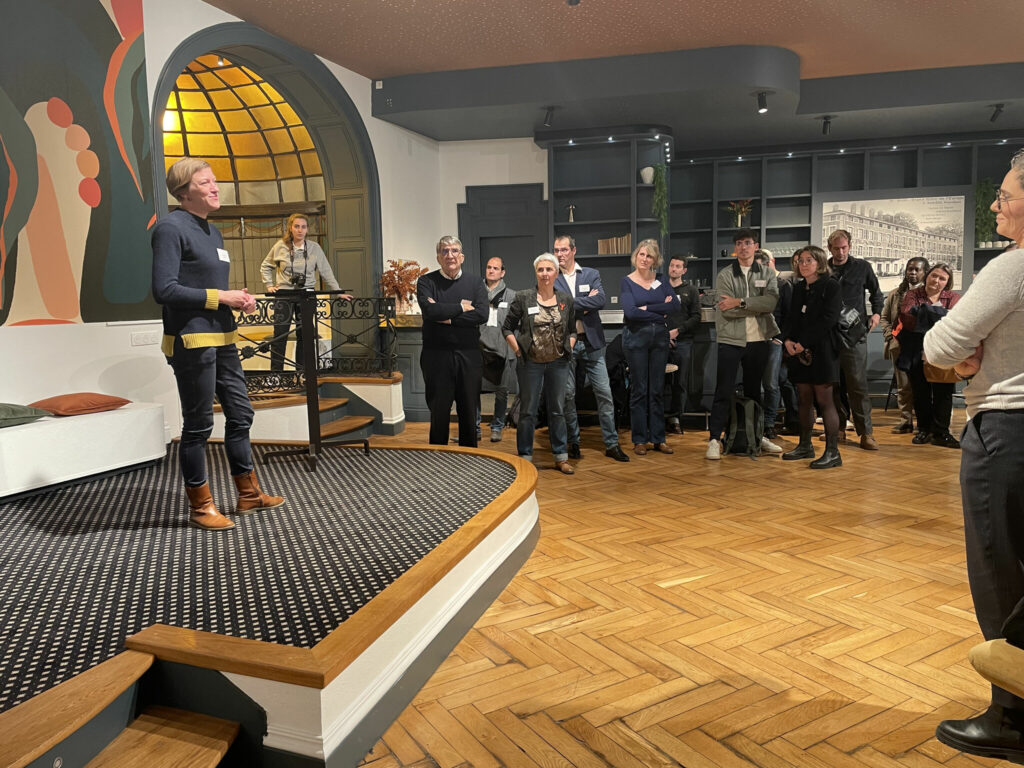
The evening concluded with an informal networking session coordinated by the Tremplin teams, providing an opportunity to continue the discussions in a more relaxed setting. These moments are particularly valuable for innovation stakeholders: they allow participants to compare experiences, better understand the challenges encountered on the ground and identify new opportunities for collaboration.
We particularly enjoyed exchanging with Recyc’Elit and many other stakeholders committed to transforming the textile industry. These encounters fuel our thinking and also give us an opportunity to share REC’s progress in developing polyamide recycling from complex textiles.
Building a more circular textile value chain together
Textile 360 once again reinforced a strong conviction: every end-of-life textile can contribute to a more circular value chain when the right technical and economic conditions are in place. Achieving this requires continued investment in recycling technologies, improved collection and sorting, better-structured material streams and the development of outlets for recycled materials.
It is this complementarity between stakeholders that will enable the textile industry to evolve sustainably. At REC, we are continuing to pursue our goal: transforming polyamide-containing waste into new resources for industry and contributing to the development of a more circular textile economy.
A big thank you to Tremplin for organising this event, and to all the speakers and participants for the quality of the discussions.
We look forward to seeing how these initiatives take shape and to continuing to contribute actively to this transformation!