What if enzymes could help address one of the major challenges in textile recycling: separating and recovering value from blended fibers? At REC, formerly Ecollant, we have been exploring different research and development (R&D) pathways for several years to address the technological and environmental challenges associated with recycling complex textiles.
Among these research pathways: enzymes.
What are enzymes?
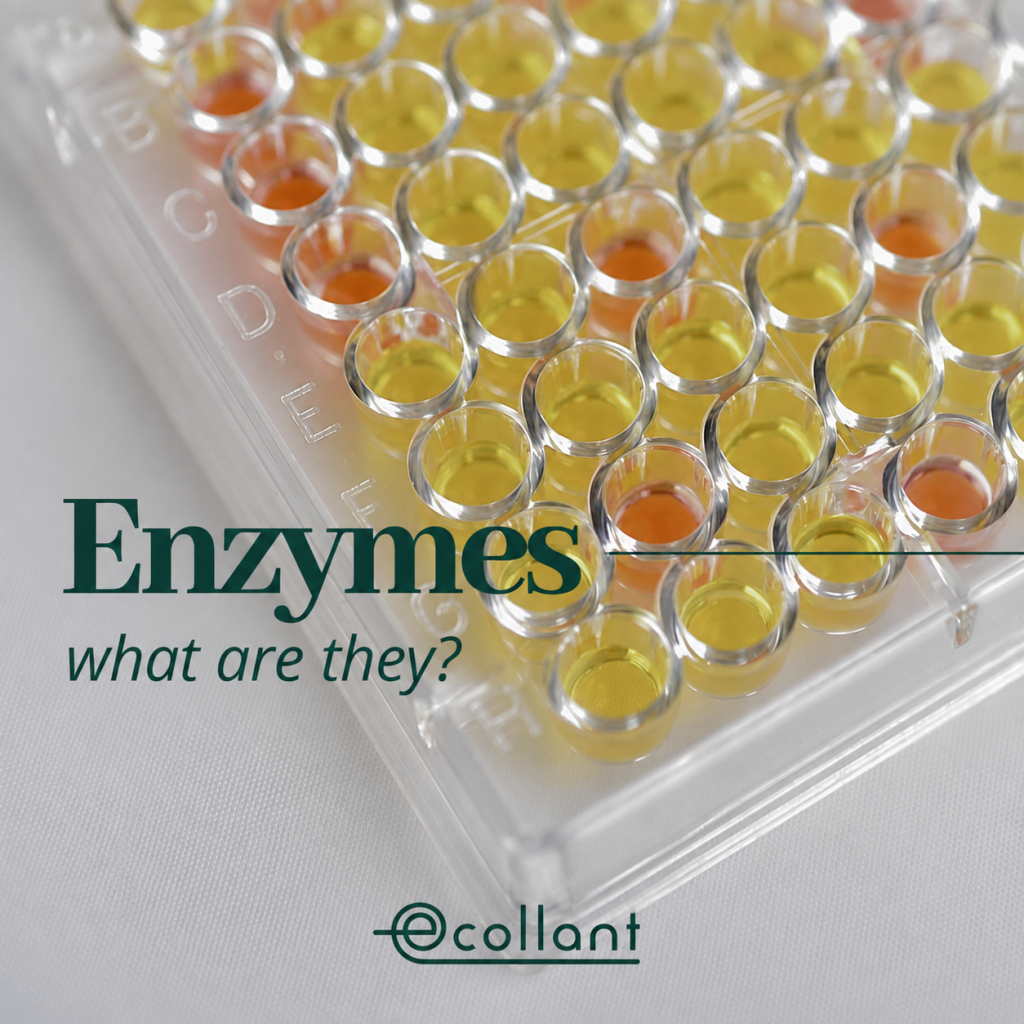
Enzymes are proteins naturally present in living organisms. They play an essential role in many biological reactions, notably by accelerating them. In the human body, for example, they contribute to the digestion of food and to various reactions involved in energy production. Their ability to act selectively on specific molecules is also of interest to researchers across many industrial fields.
This is precisely what interests us at REC: could the properties of enzymes be used to develop new solutions for recycling complex textiles?
Why explore enzymes for textile recycling?
Textile recycling faces a major challenge when several fibers are combined within the same material. This is particularly the case for many textiles containing nylon, or polyamide, combined with elastane. Tights are a particularly good example. Polyamide and elastane can be used in the form of extremely fine filaments that are intertwined to create the textile. This structure makes fiber separation particularly complex and limits the recycling options available with certain conventional technologies.
This is precisely the type of technological challenge REC is working to address: developing solutions that can recover the polyamide contained in blended-fiber textiles, so that it can be reintroduced into a new production cycle.
Discover our approach to recycling polyamide and complex textiles: REC’s technology and ambitions
Exploring the potential of enzymes for nylon recycling
As part of our R&D programmes, we have therefore investigated the potential of enzymatic solutions for the recycling of nylon and blended-fiber textiles. The aim of this research was to explore whether biological mechanisms could help address some of the challenges encountered when separating and recovering value from different fibers. The concept may sound complex, but it can be summed up simply: looking for an enzyme capable of acting sufficiently selectively on a particular material or chemical bond to facilitate its separation or transformation. It is a little like looking for the perfect key to open a very special lock.
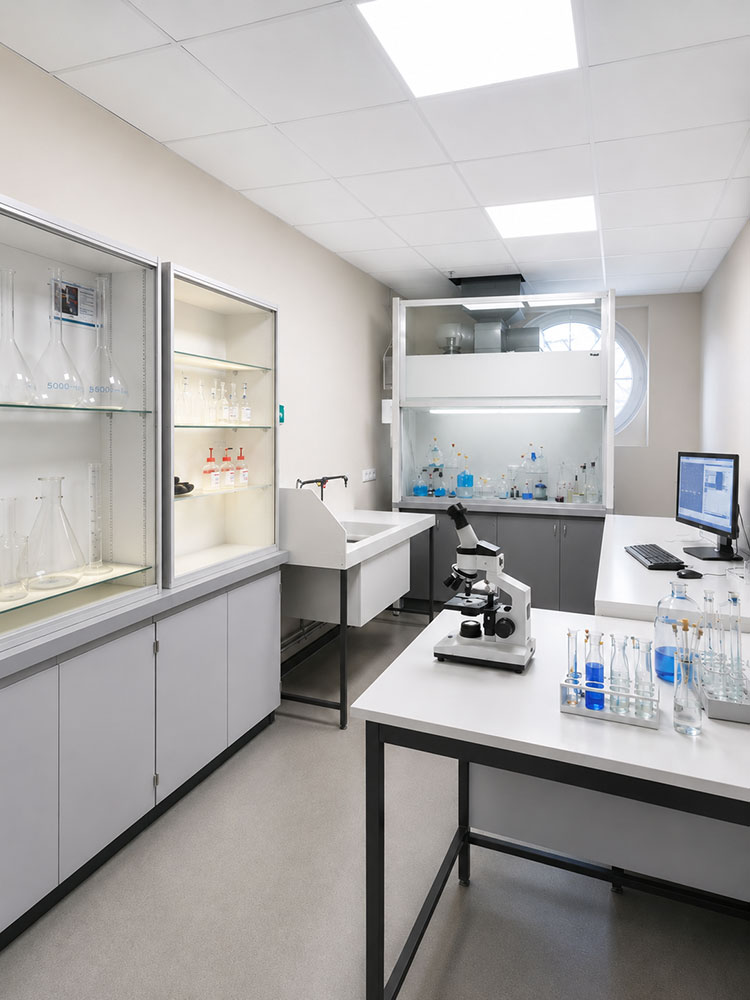
Our research team has developed and tested different approaches at laboratory scale to assess their potential and limitations.
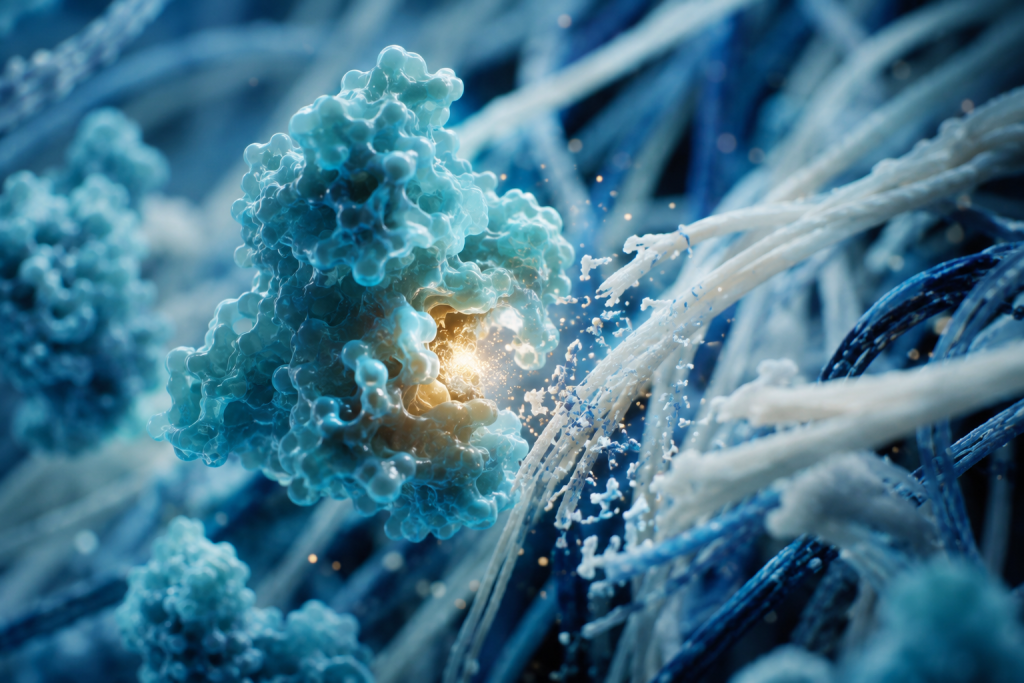
Can an enzyme be used to recycle nylon?
This is precisely one of the questions that exploratory research programmes seek to answer. Nylon, also known as polyamide, has a complex chemical structure, and its properties need to be preserved if the material is to be reused in industrial applications. The challenge is therefore not simply to “break down” the material. The reaction needs to be controlled, the targeted components selectively addressed and, above all, the resulting material must ultimately have properties compatible with new applications.
For complex textiles, the additional challenge lies in the combination of several different fibers. A solution capable of acting selectively could therefore open up interesting prospects for the recycling of textiles containing polyamide and elastane.
Enzymes at the heart of our approach to innovation
Exploring enzymes is part of a broader approach at REC: identifying and developing technological solutions to make the recycling of complex textiles more efficient and circular. Our objective is, in particular, to help reduce dependence on virgin raw materials derived from fossil resources by promoting the recovery and regeneration of materials that already exist. When they can be adapted to industrial requirements, biological technologies therefore represent a particularly interesting research pathway for developing new generations of recycling processes.
At REC, we see R&D and technological innovation as essential levers for transforming recycling value chains and enabling the recovery of textile waste that remains difficult to recycle today.
Towards more circular textile recycling
The development of new recycling technologies is a major challenge for the textile industry. Textiles made from multiple fibers are particularly affected: their complexity can make sorting, separation and recovery difficult. Developing solutions that enable these materials to be better recovered could help create new circular loops and reduce the amount of textile waste currently directed towards less favourable end-of-life solutions. At REC, we are therefore continuing our work to advance the recycling of polyamide and complex textiles, exploring different technological pathways and systematically assessing their potential against real-world industrial requirements.
Research sometimes starts with a question. And at REC, we like turning those questions into solutions.
Stay tuned to discover the next advances in our R&D programmes.